Protection Built for Montana Flock Operations
Sheep Shelters in Fairfield for ranch operations requiring tight, predator-resistant structures with exceptional wind and snow protection
Sheep require tighter enclosures than cattle or horses because predator pressure from coyotes and dogs increases during lambing season, and their flocking behavior during stress means inadequate shelter leads to crushing injuries when the entire group tries to enter simultaneously. Montana winters deliver wind chills that penetrate loose construction and snow loads that collapse undersized framing, making durable, well-sealed shelters essential for flock health. Custom enclosures from Hay Pimp Enterprises include secure framing, proper ventilation for wool health, and sizing that accommodates ram, ewe, and lamb separation where needed across ranch operations around Fairfield.
Purpose-sized structures account for how sheep move as a group during weather events, with door openings wide enough to prevent bottlenecks and interior space that allows subordinate animals to access shelter without fighting dominant ewes. Ventilation prevents the moisture buildup that degrades wool quality and creates respiratory issues, while the framing resists both Montana's snow loads and the predator testing that occurs when coyotes patrol fence lines during lambing.
Request an on-site consultation to evaluate your flock size, lambing schedule, and property-specific predator challenges..
What Proper Sheep Shelter Accomplishes
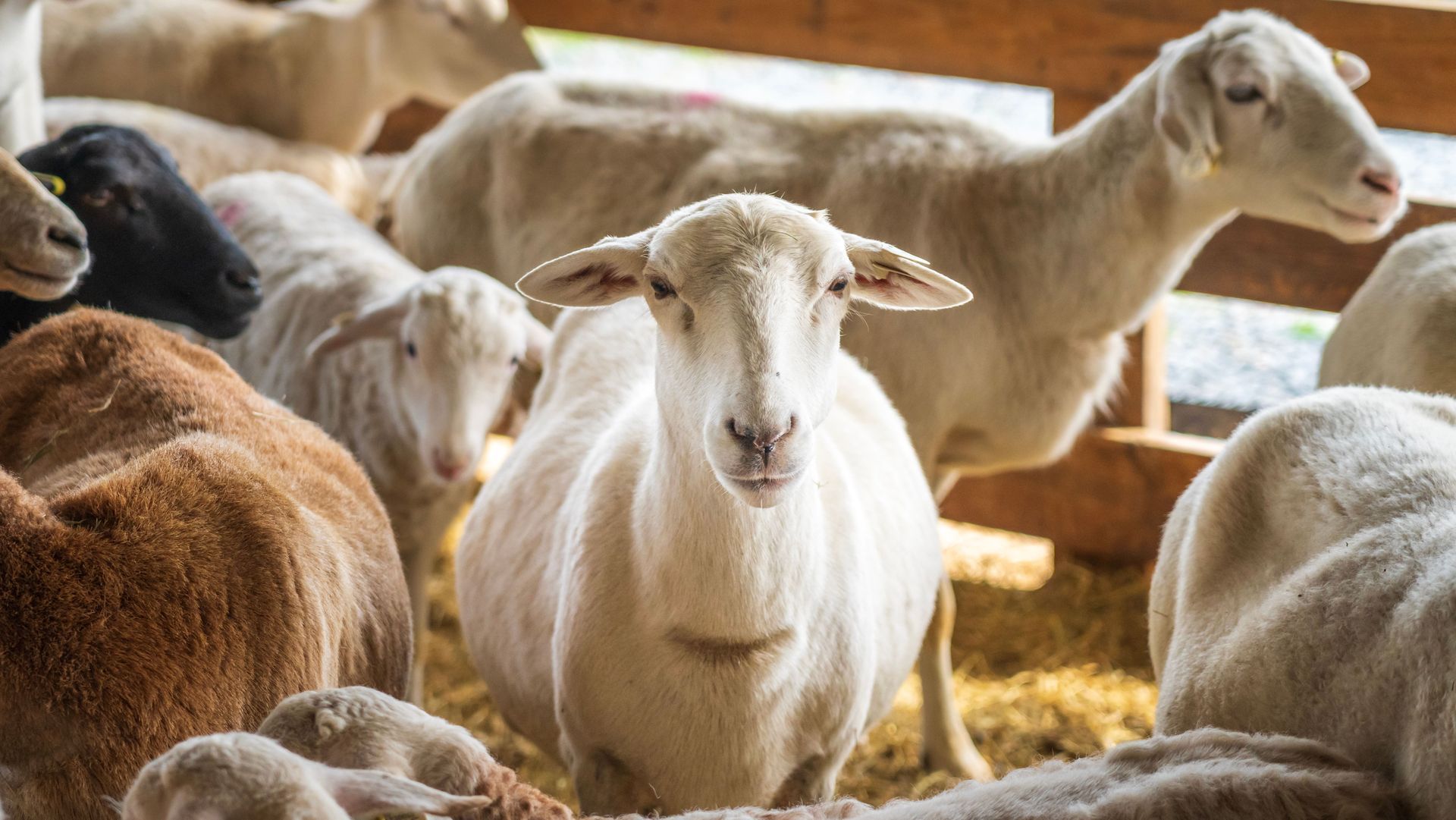
Sheep-specific shelters feature secure framing with minimal gaps that prevent predator entry, reinforced doors that resist persistent testing, and proper foundation work that stops digging access. Ventilation openings are sized to exchange air without creating entry points for coyotes or dogs, and roof overhangs prevent snow and rain from blowing into the structure during storms. The family business at Hay Pimp Enterprises understands the predator and weather challenges of Montana livestock operations, building shelters that address both structural requirements and the vulnerabilities specific to sheep management.
After construction, you'll notice fewer predator losses because the structure provides actual physical protection rather than symbolic enclosure, healthier lambs because wind protection reduces cold stress during vulnerable early weeks, and better wool quality because dry, well-ventilated conditions prevent the moisture damage that degrades fleece. The shelter sheds snow naturally without manual clearing, and the interior remains dry even during extended wet periods that normally create bedding breakdown and hoof problems.
Shelter designs vary based on whether you need year-round housing, seasonal lambing areas, or structures that accommodate ram separation during breeding management. Sizing depends on flock size, lambing intensity, and whether your operation includes show stock or commercial production that requires different space allocations per animal.
Questions Sheep Producers Have Before Building
Flock operators across central Montana face similar concerns about shelter performance, from predator resistance to ventilation requirements that protect wool quality under ranch conditions.
What size shelter does my flock need?
Plan for 12 to 16 square feet per ewe in group housing, with additional space for lambing jugs if you manage births closely; undersized shelters lead to crushing injuries when the entire flock tries to enter during storms or predator pressure.
How does predator-resistant construction work?
Secure framing with tight board spacing, reinforced door systems, and proper foundation work prevent entry from coyotes and dogs; gaps larger than four inches create access points that predators test persistently during lambing season in Fairfield.
Why does ventilation matter if sheep have wool for insulation?
Wool retains moisture from respiration and poor ventilation, creating conditions for respiratory disease and fleece degradation; proper air exchange maintains wool quality and prevents the ammonia buildup that irritates lungs and eyes.
What makes a shelter wind-resistant enough for Montana winters?
Diagonal bracing, proper anchoring, and tight construction prevent lateral movement during sustained wind events; sheep shelters must resist both structural wind loads and the snow drifting that occurs when buildings interrupt airflow across open ranch land.
When should I build if I'm planning early spring lambing?
Complete construction by late fall to allow time for the flock to acclimate to the space before lambing begins; finishing before winter ensures the structure is tested through severe weather before vulnerable lambs arrive.
Hay Pimp Enterprises builds sheep shelters with direct experience in the predator and weather challenges Montana flock operations face throughout the year. Schedule a property evaluation to discuss your flock management approach and shelter design options.